Gaze2HOI
Contact Us

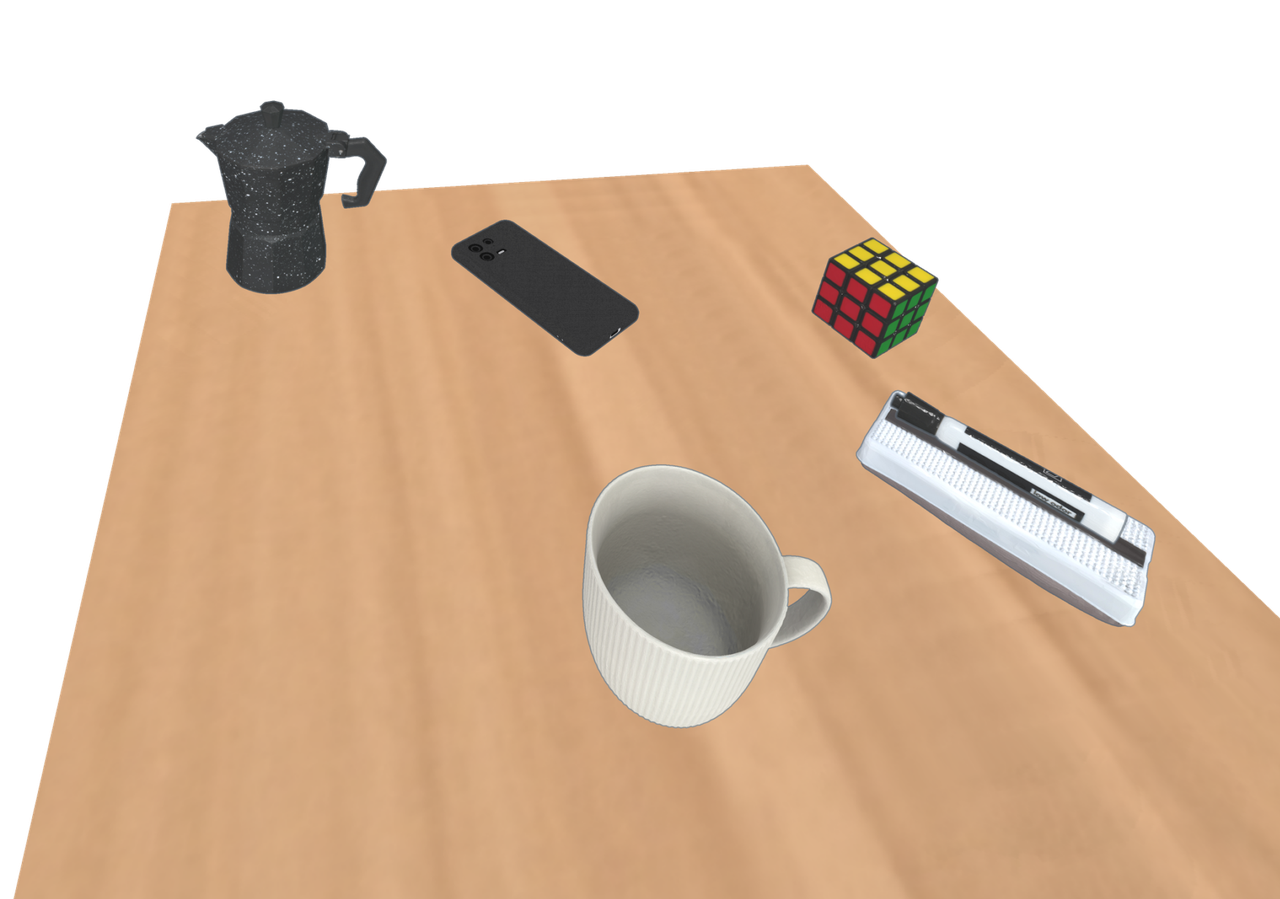
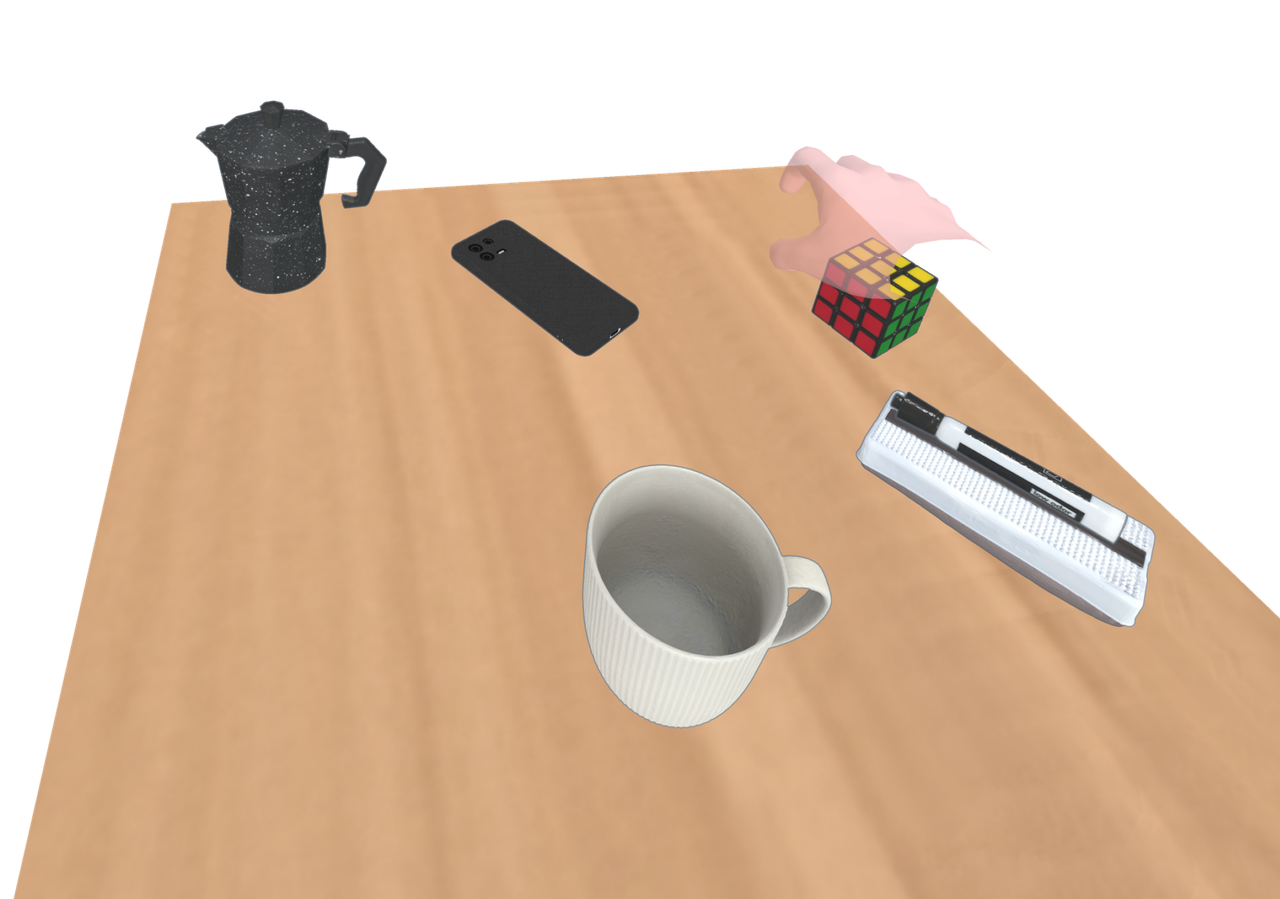
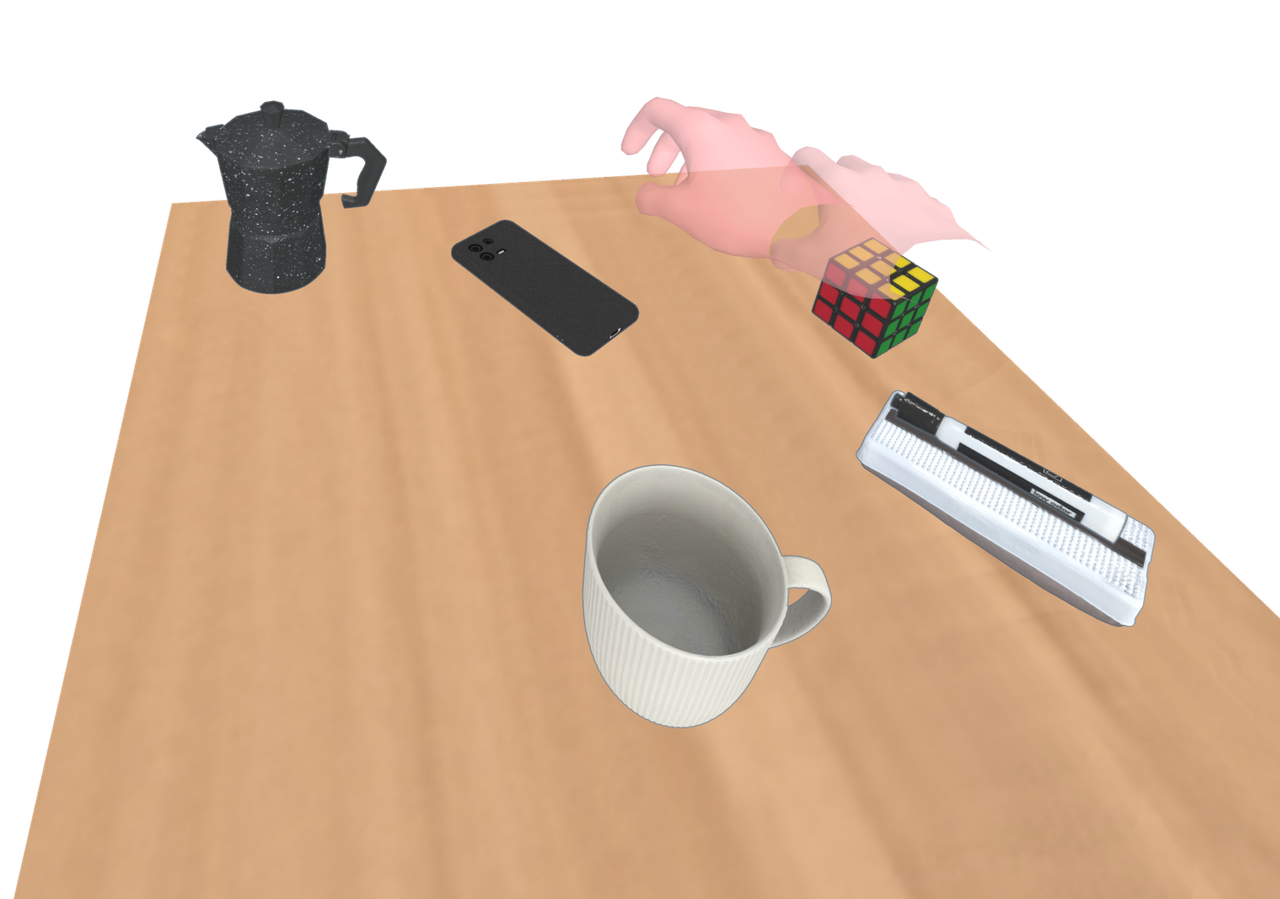
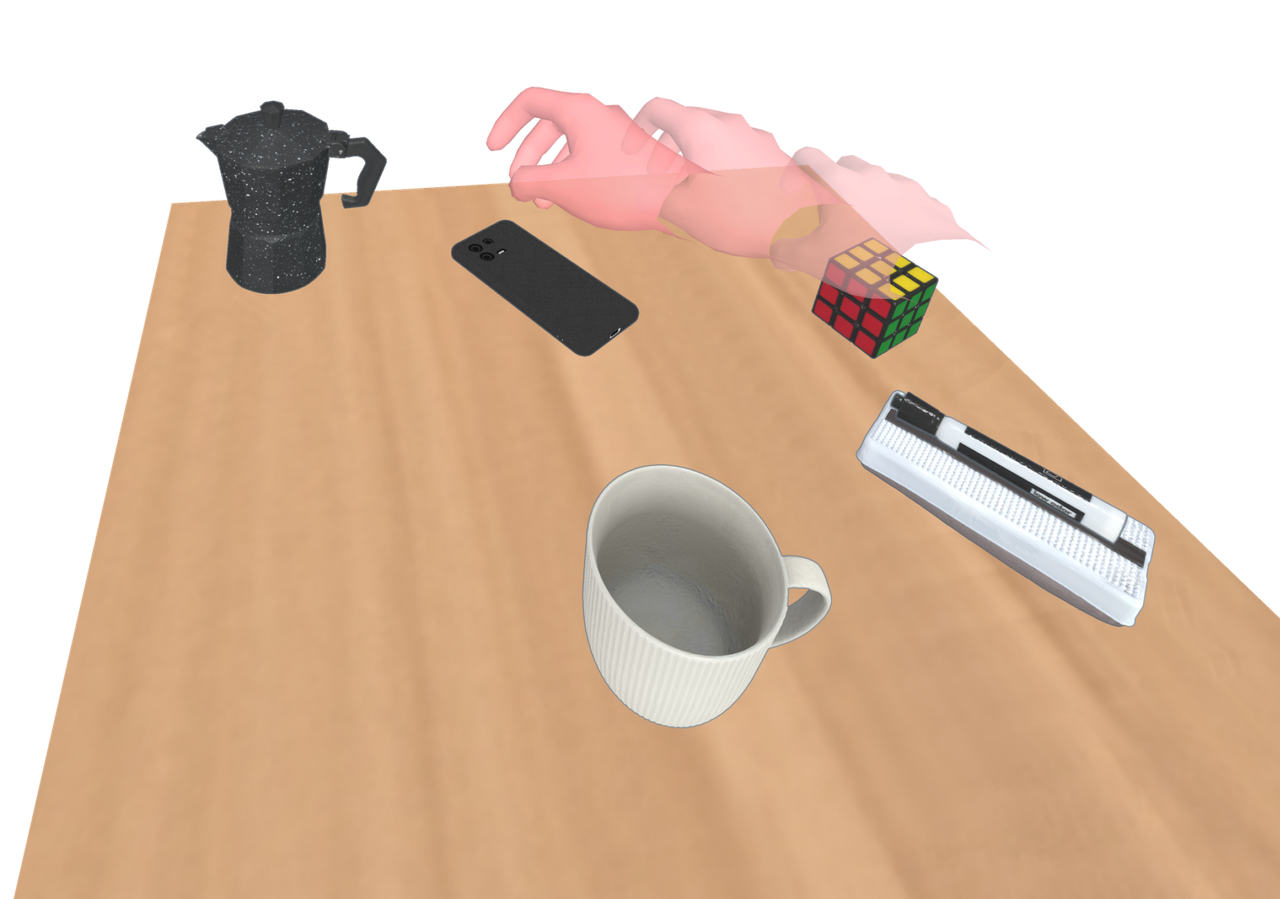
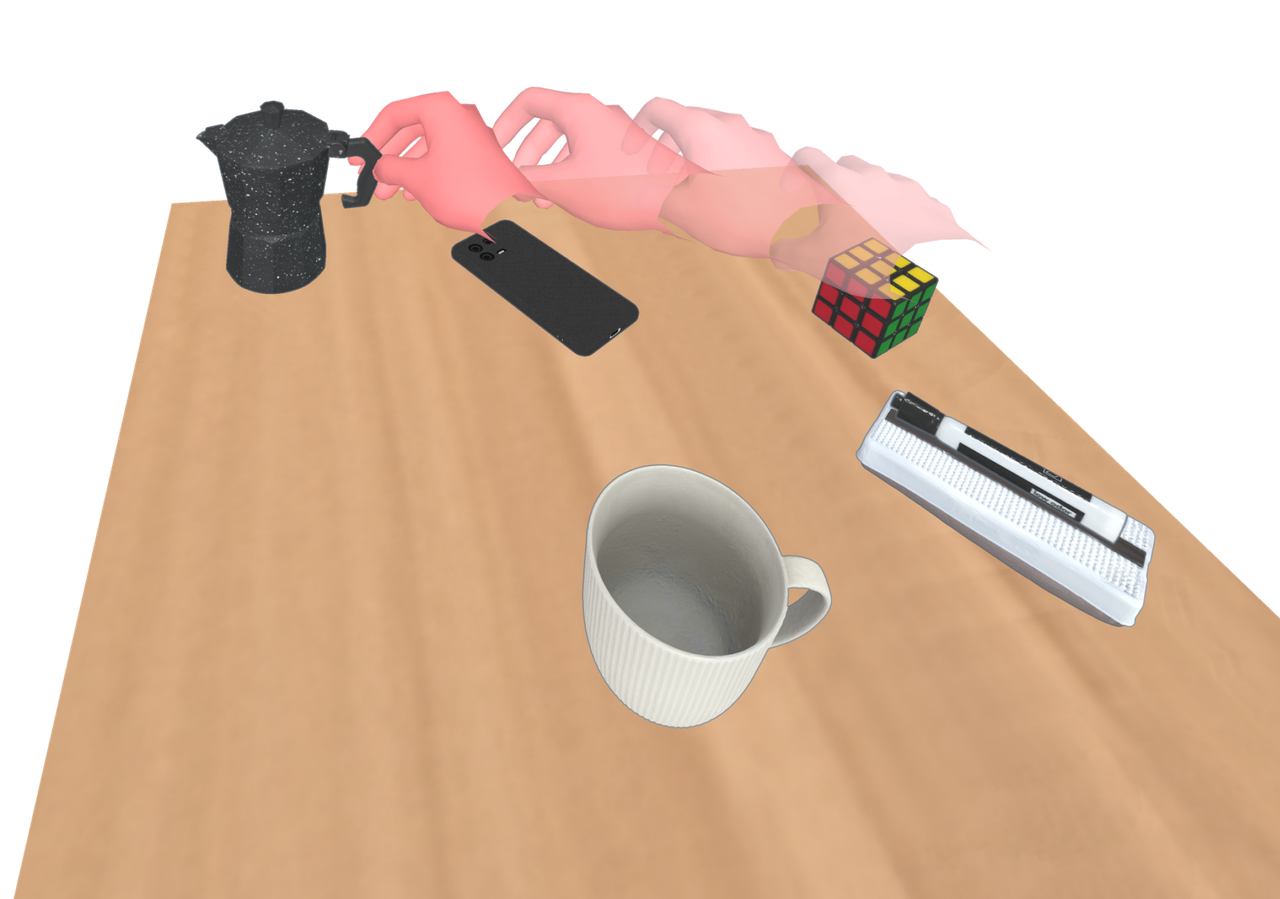
Reading the gaze.
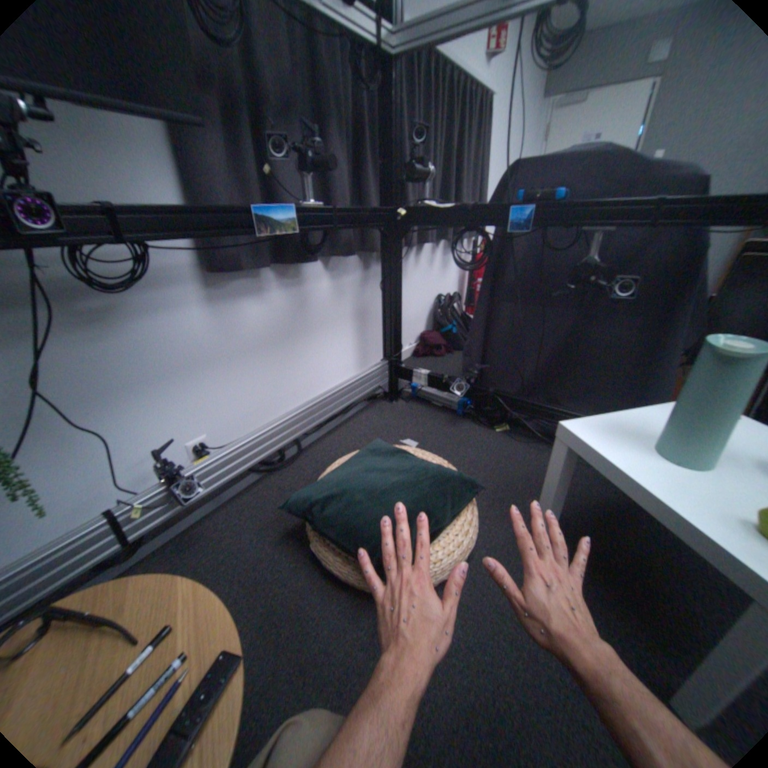
Temporal Gaze Saliency Modulation (TGSM) integrates current and historical gaze into VLM visual features to infer the structured future intention for each hand.
Demo samples are available now; the full EgoAIM dataset will be released upon paper acceptance.
What will the user do next?
Predicted intention
Similar observation histories can precede futures with different intentions, contact configurations, and trajectories. Gaze2HOI reduces ambiguity hierarchically: gaze helps infer intentions, contact grounding provides spatial guidance, and diffusion generates coordinated motion.
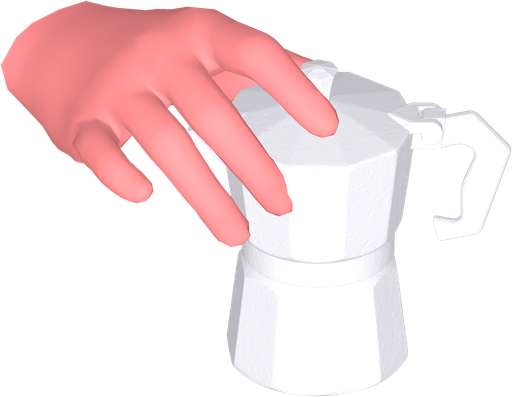
Figure 2 follows a U-shaped path from observations at the lower left, through gaze-aware intention inference at the upper left, geometric ambiguity and contact grounding across the top, to joint hand-object forecasting at the lower right. Original source elements appear progressively and remain together in the completed diagram.

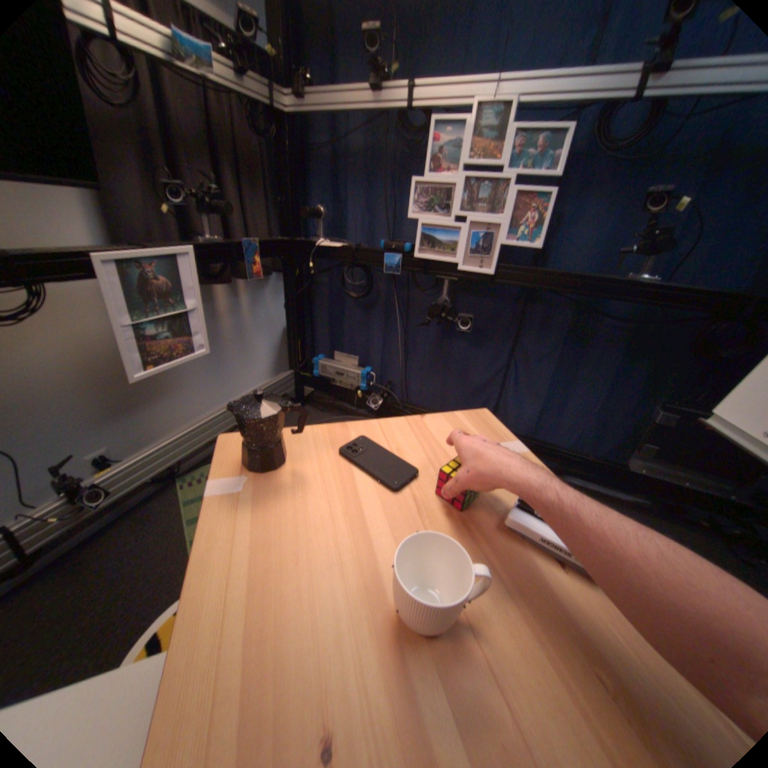
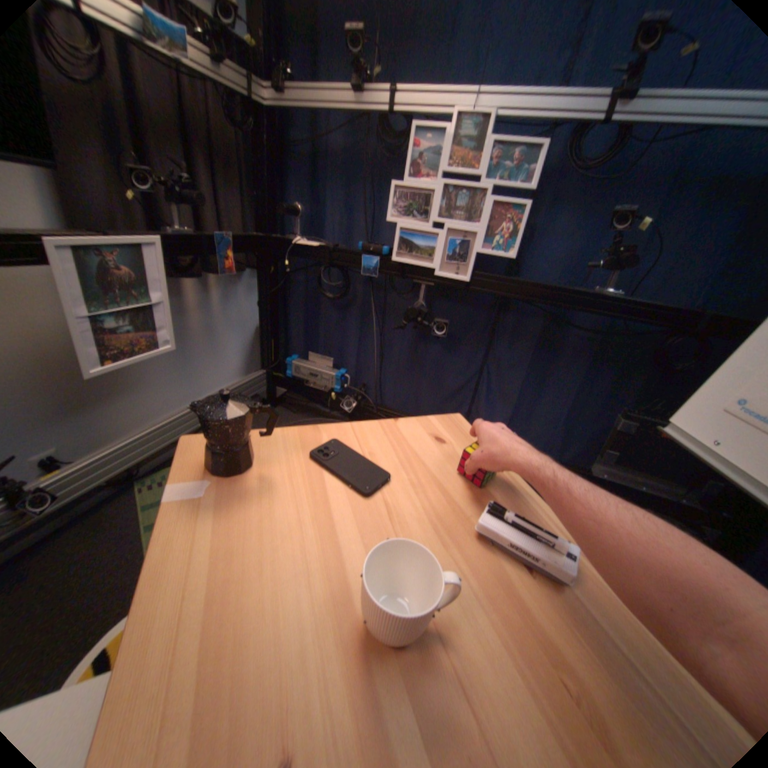
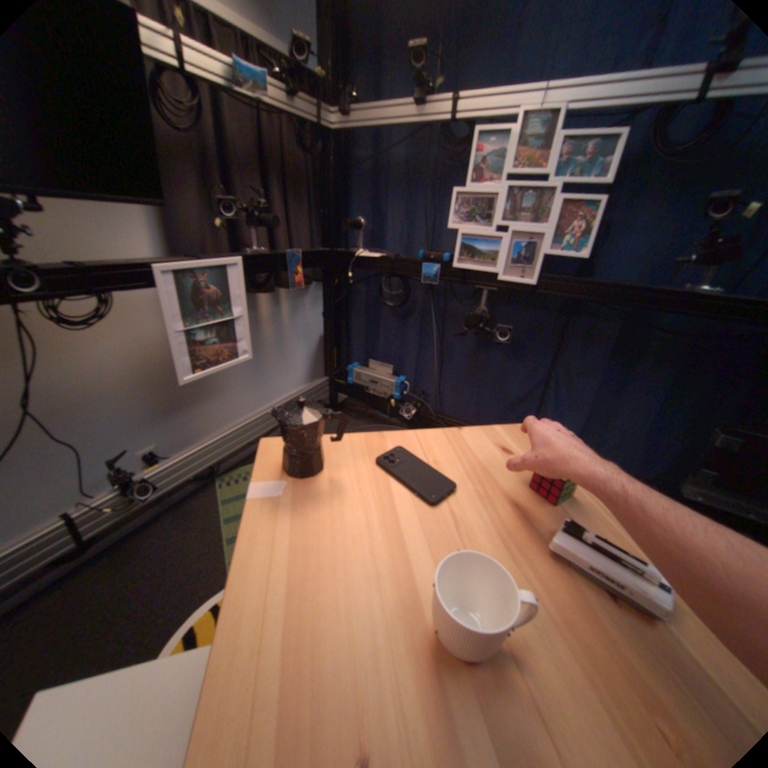


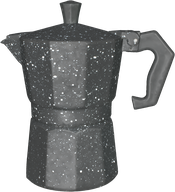


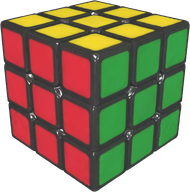
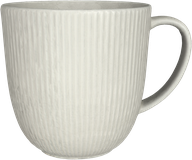

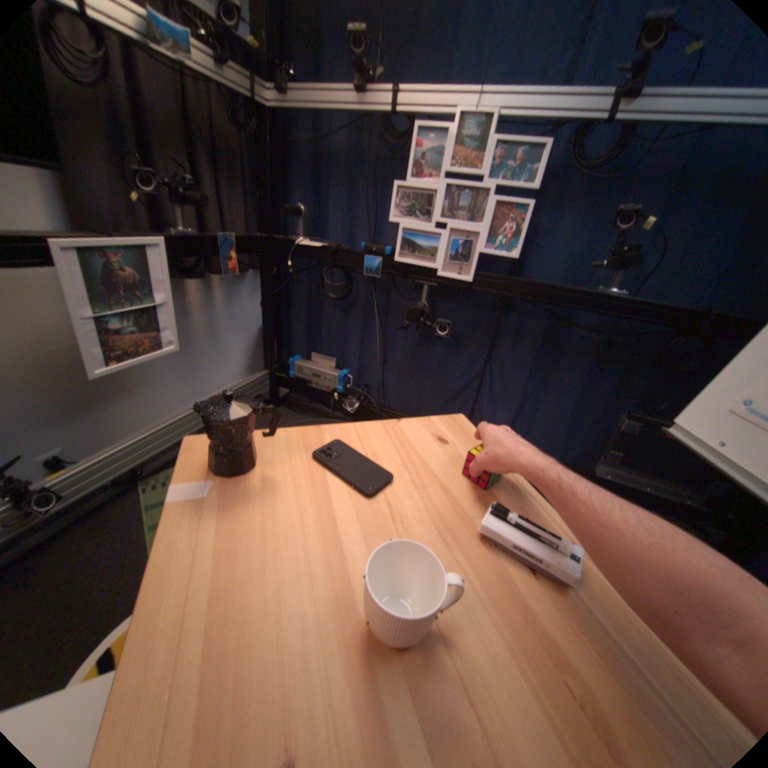
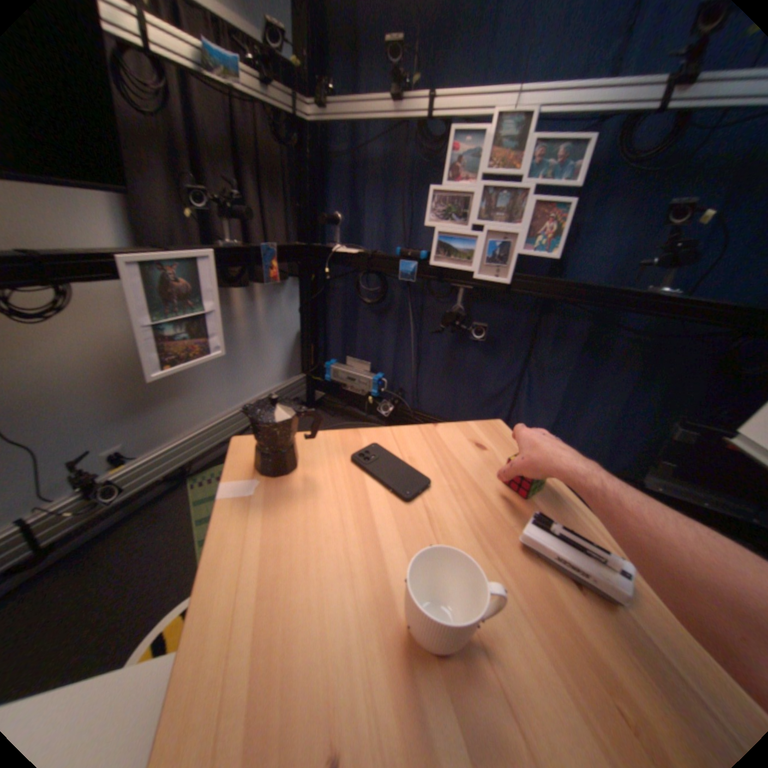
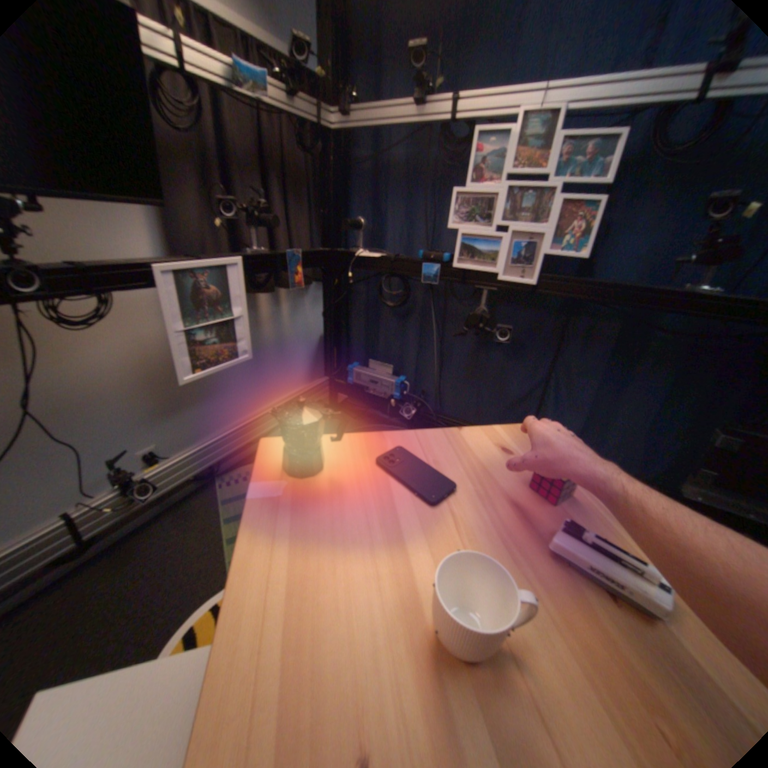


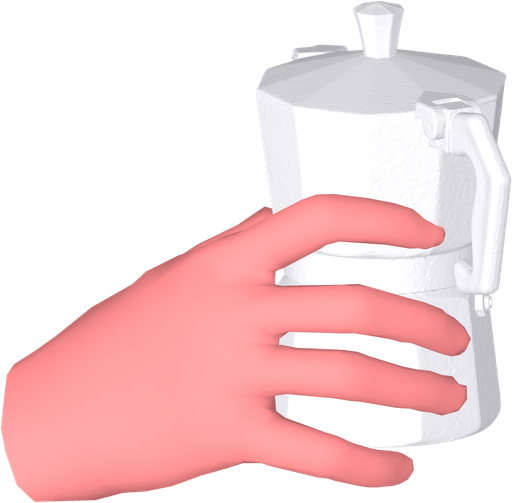
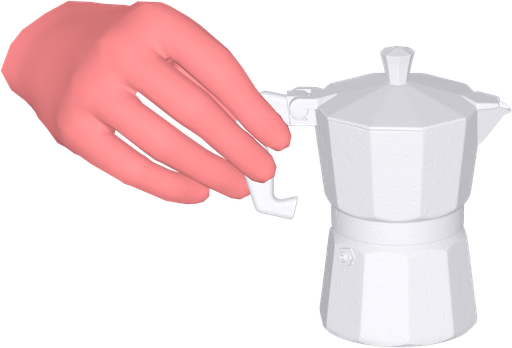
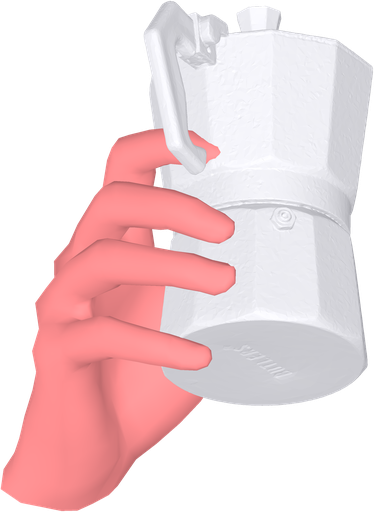

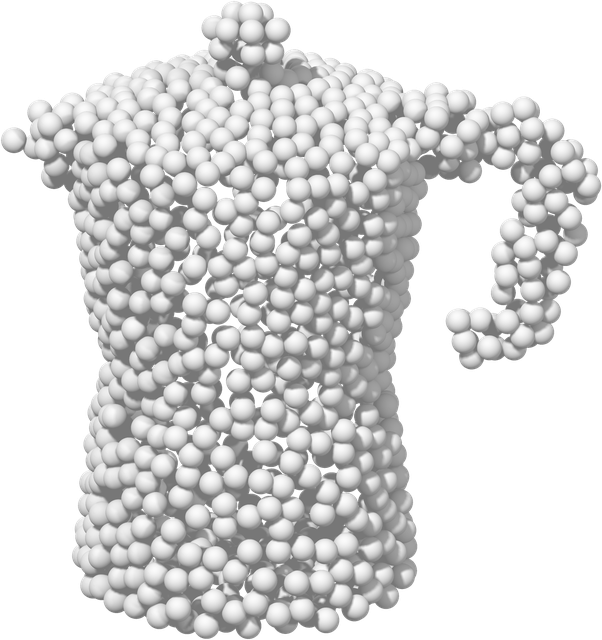
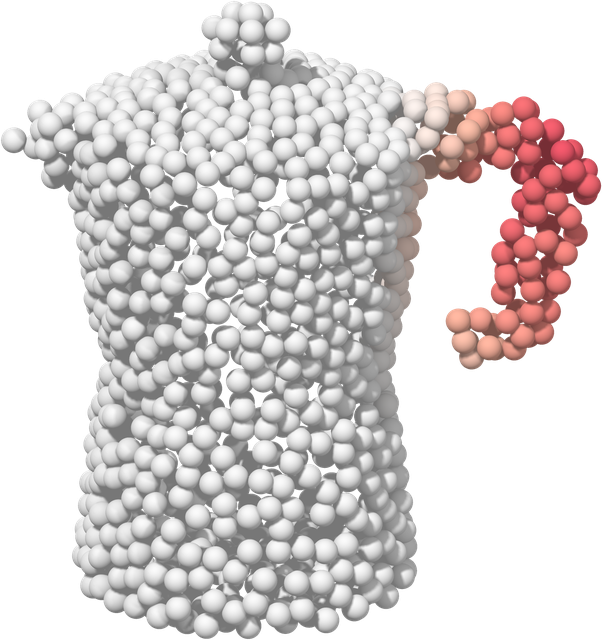

Infer structured intentions for each hand from observations and gaze.
Localize likely contact regions using object geometry and the interaction history.
Jointly forecast 3D articulated motion of both hands and 6-DoF object trajectories.
EGOAIM BENCHMARK
Fine-grained future intentions paired with
continuous 3D hand-object motion.
Reach toward the intended object and part.
Transport the object toward a target.
Articulate the hand for the ongoing action.
Place the object on a supporting surface.
Gaze2HOI framework
Semantic and geometric disambiguation
for coordinated motion forecasting.
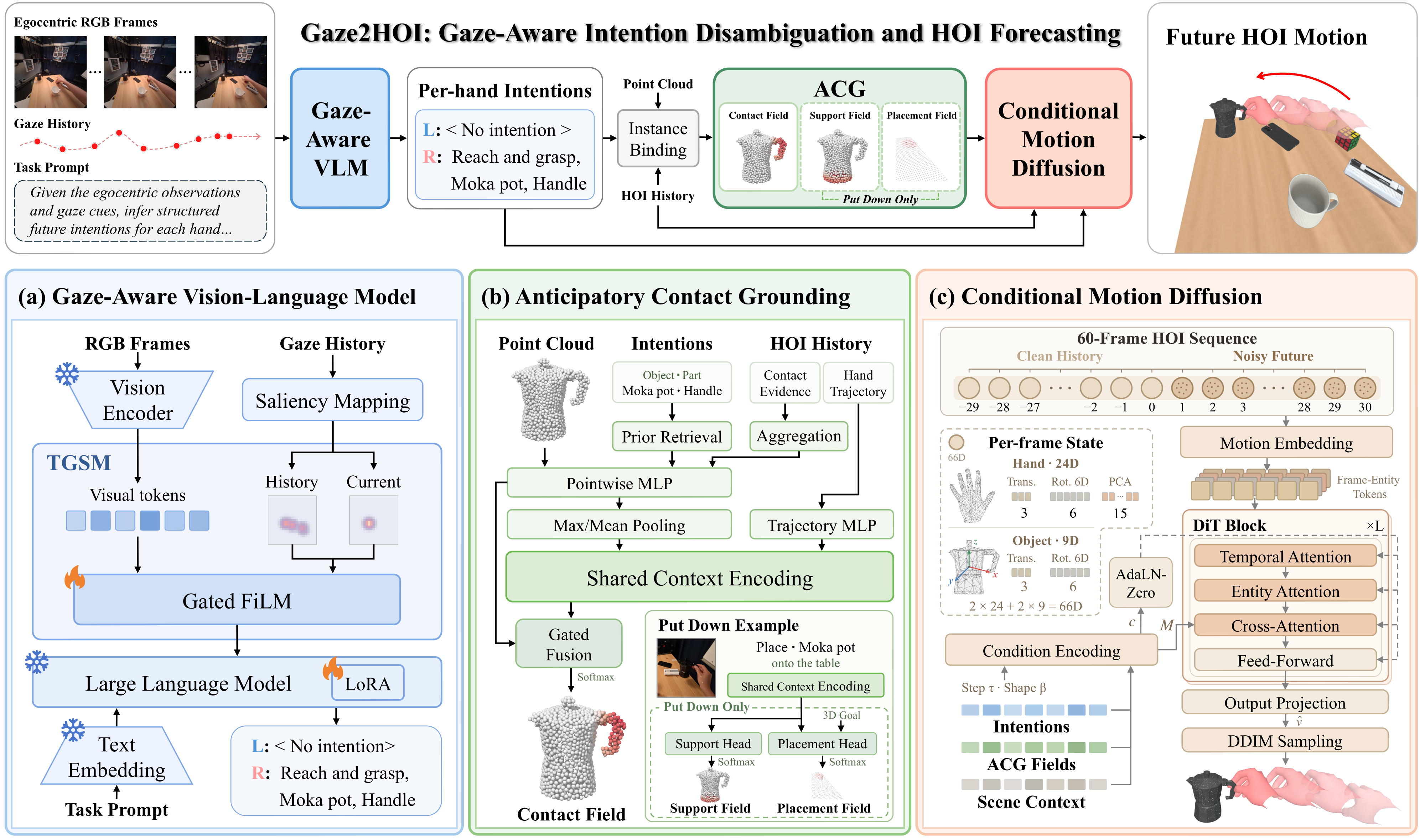
Temporal Gaze Saliency Modulation (TGSM) integrates current and historical gaze into VLM visual features to infer the structured future intention for each hand.
Anticipatory Contact Grounding (ACG) combines contact priors with observed interactions and hand trajectories to predict contact fields, with support and placement fields for Put Down.
A diffusion model jointly generates hand and object motion under semantic and geometric conditions, while retaining the observed history.
Experimental results
Evaluation on the EgoAIM test set.
See the paper for the complete protocol.
Sample EM@100px
+9.62 percentage points over No GazeHand average displacement error
Valid future wrist positionsReach success rate
On the Establish Contact subsetSelect a sample row to play its observation and forecast. The selected row plays all methods together, then advances to the next sample. Use the arrow keys to change samples.


The visualized results show raw model outputs, without additional temporal smoothing or trajectory refinement.
Use the three dots or arrow keys to select a case. Observations play first, both intentions are highlighted, and ground-truth and predicted motions then play together. Prediction is in the middle and ground truth is on the right, with each intention above its motion.
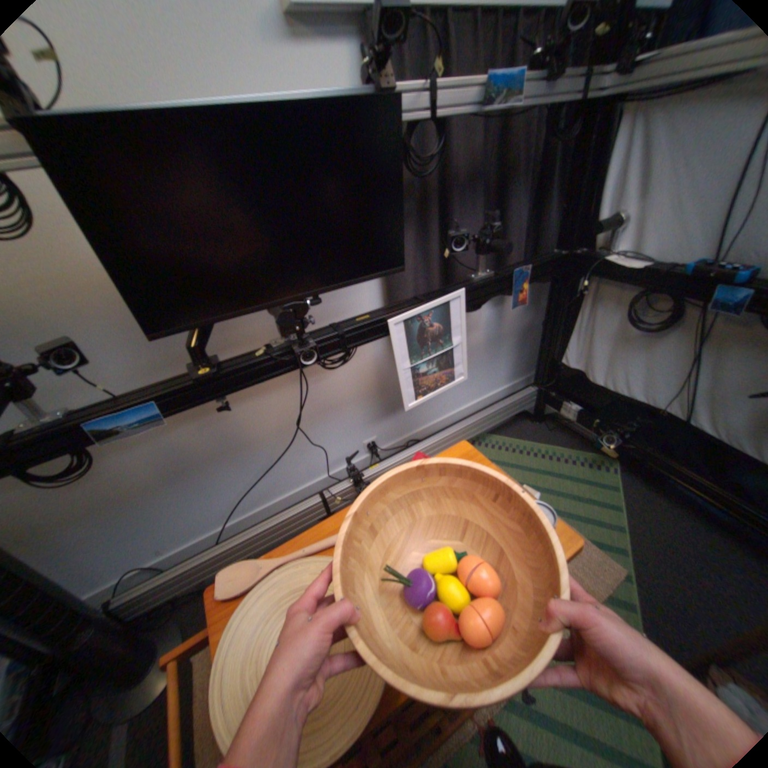
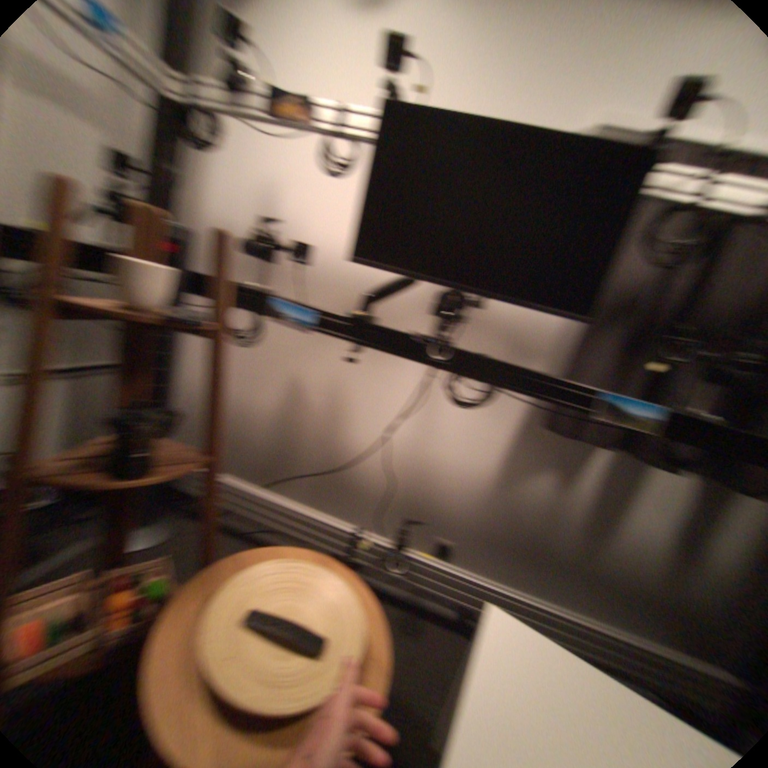
L:Grasp, Wooden bowl, Rim
Place, Dark wooden square table,
[567, 656]
R:Grasp, Wooden bowl, Rim
Place, Dark wooden square table,
[567, 656]
L:Grasp, Wooden bowl, Rim
Shake to mix
R:Grasp, Wooden bowl, Rim
Shake to mix


These examples illustrate three failure modes: purpose confusion, contact-part confusion, and hand assignment errors. Such errors can lead to forecasts that deviate from the intended interaction, as when placement is predicted instead of shaking. At the same time, a different contact part or active hand may still offer a viable way to complete the same task. Disagreement with a single recorded future therefore does not necessarily imply failure to capture the underlying interaction goal.
The effect of intention
Predicted intentions improve motion accuracy and interaction success over intention-free conditioning, bringing contact establishment close to oracle performance. A substantial gap remains in precise placement, highlighting the importance of accurate intentions and spatial goals.
| Intention | H-ADE (cm) ↓ | O-ADE (cm) ↓ | Reach-SR (%) ↑ | Place-Hit (%) ↑ |
|---|---|---|---|---|
| None | 6.49 | 1.05 | 56.91 | 18.94 |
| Predicted | 4.16 | 0.72 | 92.43 | 44.93 |
| Oracle | 3.65 | 0.55 | 96.22 | 95.59 |
@article{ma2026gaze2hoi,
    title   = {{Gaze2HOI}: Gaze-Aware Intention Disambiguation for Egocentric Hand-Object Interaction Forecasting},
    author  = {Ma, Chuanyang and Wang, Chenye and Wang, Yixuan and Zhou, Huiling and Qi, Xingqun and Sun, Muyi and Zhang, Man and Shan, Caifeng and Sun, Zhenan},
    journal = {arXiv preprint arXiv:2610.27877},
    year    = {2026}
}